Fiber & BroadbandFiber SplicingElectric CooperativesWorkforce DevelopmentRural Broadband
Co-op Fiber Splicing Rodeo Strengthens Digital Workforce
A broadband fiber splicing rodeo delivered workforce gains to a participating electric cooperative, per America's Electric Cooperatives. The competition trains technicians for rural fiber builds.
 Fiber & Broadband
Why it matters
- America's Electric Cooperatives profiled a broadband fiber splicing rodeo that delivered workforce gains to a participating electric cooperative.
- Federal ReConnect and RDOF programs have directed billions toward co-op-led fiber deployments since 2018.
- Fiber splicing rodeos test fusion and mechanical joining under timed competitive conditions mirroring lineworker events.
- The rodeo format functions as competition, training, and recruiting event for co-op technician pipelines.
- America's Electric Cooperatives will continue tracking rodeo activity across its membership going forward.
The story
A broadband fiber splicing rodeo delivered measurable workforce gains to a participating electric cooperative. America's Electric Cooperatives profiled the skills competition in a recent article.
The piece carries the headline "Broadband Fiber Splicing Rodeo Is a Boon for Co-op's Digital Workforce." The trade publication presents the rodeo as a workforce multiplier for the broadband era, returning trained technicians to active fiber builds at the host co-op.
What is a fiber splicing rodeo?
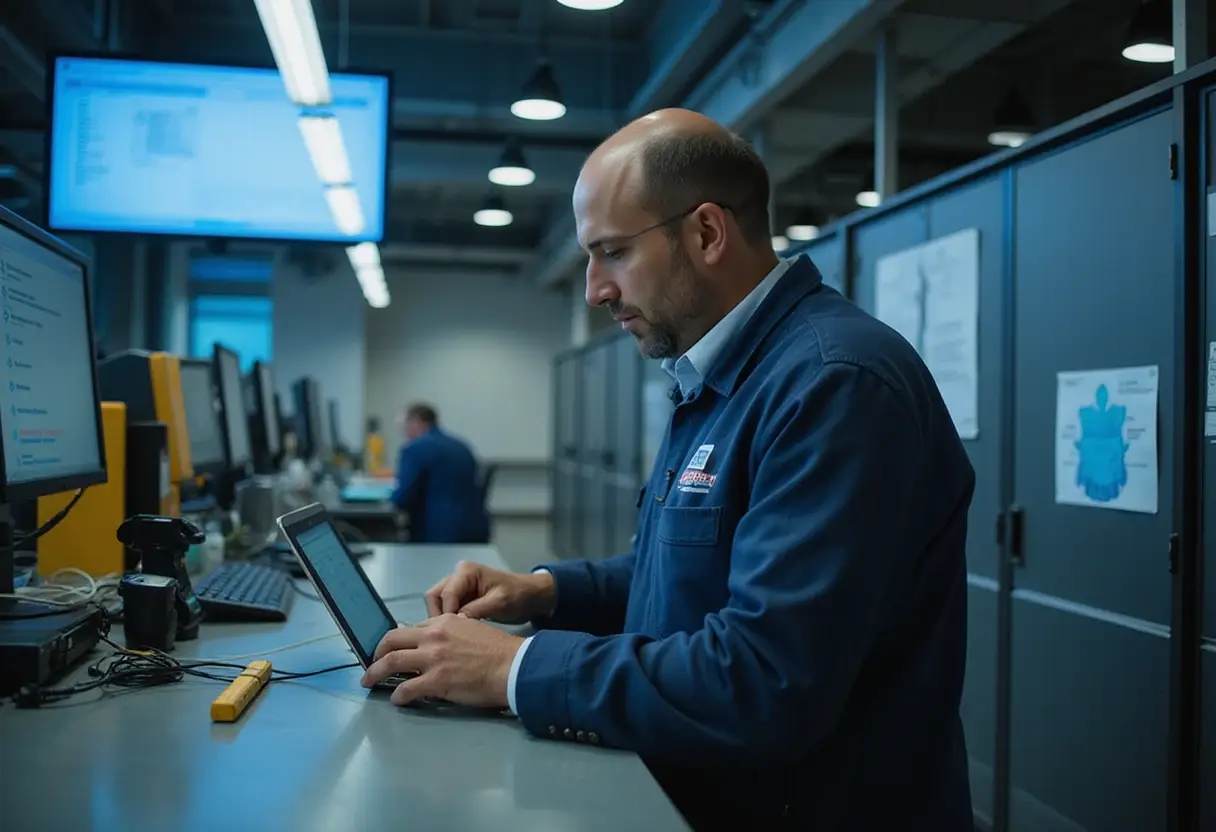
A fiber splicing rodeo tests technicians in a hands-on competition. Participants join optical fibers under strict time limits. They verify signal quality. They document completed splices for downstream crews.
The format mirrors lineworker rodeos that electric co-ops have hosted for decades. Those events test pole climbing, equipment operation, and safety response. Fiber events now translate that same competitive tradition into broadband construction across the rural service territories that cooperatives have always served and electrified over more than eight decades.
Fusion splicers use heat to fuse two glass fibers into a single strand. Mechanical splicers align fibers with a physical connector. Both methods require steady hands, calibrated equipment, and adherence to strict industry loss budgets.
Why does the co-op benefit?
The participating co-op gains measurable internal capability. Trained splicers complete more connections per shift. Build cycles shorten. Subscribers reach active service faster than under contracted labor models.
Industry estimates place skilled labor at a significant share of total fiber construction cost. An in-house team reduces exposure to contractor pricing. The rodeo produces that team faster than conventional recruitment cycles, with each graduate bringing immediate productivity to deployment schedules in their home service area.
The host co-op also gains visibility among job seekers. Students and career changers attend as spectators. They meet working technicians. They learn about apprenticeship paths and full-time positions in the field.
How does the rodeo fit the rural broadband push?
Electric co-ops have emerged as major rural fiber builders across the United States. Federal programs including the ReConnect Loan and Grant Program and the Rural Digital Opportunity Fund have directed billions toward co-op-led deployments since 2018. Trained technicians remain the binding constraint on project timelines nationwide, slowing rural service expansion in many markets where co-ops have secured federal broadband funding for the next several years.
The rodeo addresses that constraint through competition, recognition, and direct practice. It functions as a recruiting event. It offers co-ops a low-cost workforce development lever compared to formal training programs.
Several co-ops already partner with community colleges on fiber training. The rodeo raises the profile of those programs. It signals career paths to rural residents who may not have considered telecom work.
What does the format look like in practice?
A regional rodeo typically draws multiple co-op teams from neighboring states. Each team fields a small crew of splicers. Competitors complete standardized tasks under timed conditions. Host co-ops document outcomes for industry benchmarking.
The event closes with awards, peer recognition, and structured post-event analysis. America's Electric Cooperatives circulates results to its membership. Member systems adapt successful techniques to their own build programs, training curricula, and quality assurance procedures across the wider cooperative network in the years ahead.
What should practitioners monitor next?
America's Electric Cooperatives will continue to track rodeo activity across its membership. Future coverage will likely include additional host co-ops, expanded regional formats, and national-level competition. The publication serves as the central clearinghouse for results and best practices.
Co-ops planning fiber builds should monitor upcoming rodeo schedules. Participation offers training, recruiting, and peer benchmarking in a single event. The format is likely to spread as more systems enter the broadband market through federal funding awards, with rodeo participation growing alongside the broader rural fiber buildout across the United States.
Also reported
Source: Google News: fiber broadband
More from Daniel Okafor
Show full bio
Senior reporter covering regulation, policy and their impact on Carrier business, 5G and 6G, fiber and broadband at Telecom Gazette.
353 articles