5G & 6GSamsung6gAISilicon Valley
Samsung Hosts Silicon Valley Summit on 6G and AI Network Integration
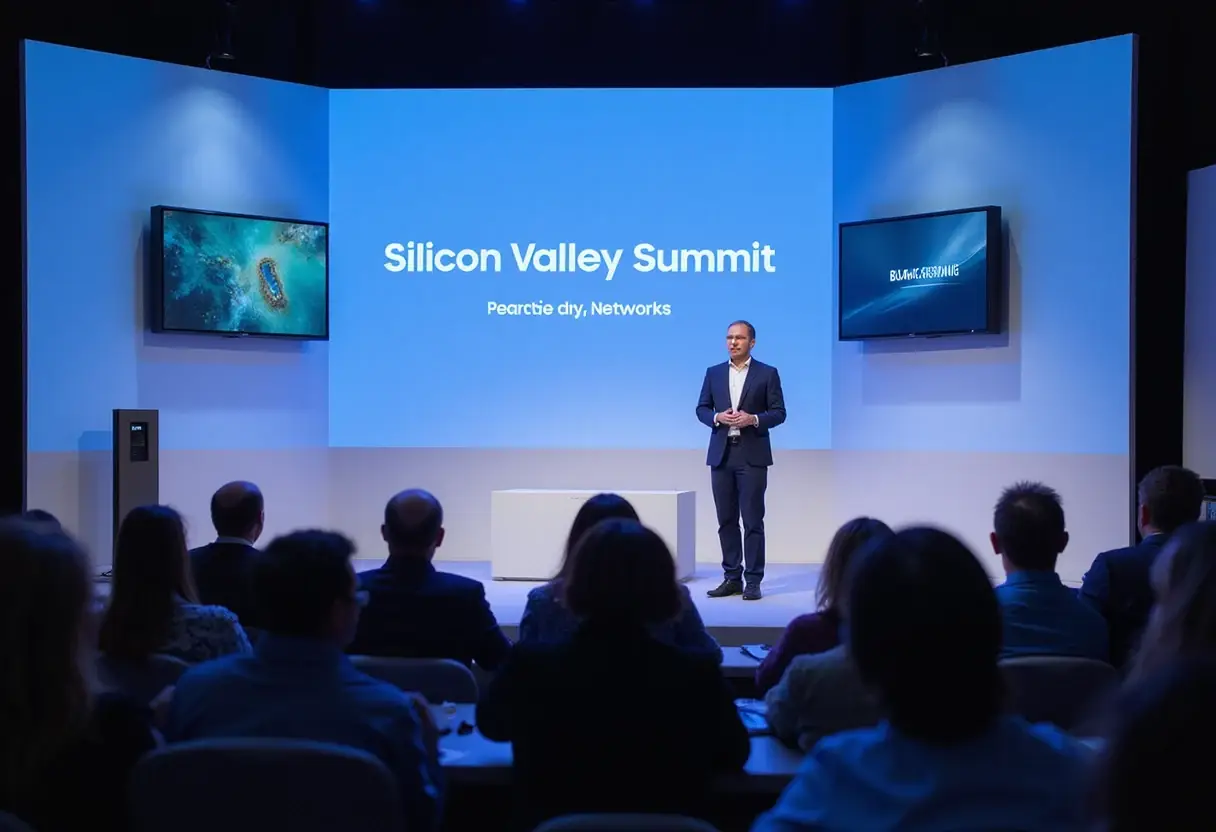
Samsung convened researchers and industry partners in Silicon Valley this week to examine 6G and AI-native network architectures, extending its post-5G research push into the U.S. tech corridor.
 5G & 6G
Why it matters
- Samsung held a Silicon Valley summit this week on 6G and AI networks
- Samsung first announced its 6G research program in 2019
- ITU has set 2030 as the target commercial window for IMT-2030
- 3GPP Release 21 will start formal 6G technical specifications
- FCC has begun exploratory work on spectrum bands above 95 GHz
The story
Samsung convened researchers and industry partners in Silicon Valley this week to examine the intersection of sixth-generation wireless systems and artificial intelligence. The summit forms part of Samsung's continuing effort to shape the post-5G agenda, where AI-native network architectures are expected to underpin the next decade of mobile infrastructure.
What is Samsung's 6G position?
Samsung ranks among the more active vendors in 6G research since announcing a dedicated program in 2019. The company's research arm has published technical white papers outlining its vision for terahertz-band air interfaces, AI-driven radio resource management, and digital twin representations of network behavior. The Silicon Valley location extends that engagement into the American technology ecosystem, where a dense concentration of AI laboratories and semiconductor firms increasingly influences telecom infrastructure decisions.
What does the standards timeline look like?
The summit arrives against an active standardization calendar:
- ITU has set 2030 as the target commercial window for IMT-2030, the formal 6G specification framework.
- 3GPP is preparing Release 21 as the starting point for technical specifications operators will eventually deploy.
- The next World Radiocommunication Conference cycle will negotiate spectrum identifications relevant to 6G services.
Vendor research roadmaps must align with those milestones if they are to feed into commercially shipped equipment.
What does this change for operators?
In practical terms, very little immediately. 6G commercial networks remain years from launch in leading markets, and AI-native features are still being defined within standards bodies. Operators continue to monetize 5G Standalone deployments and evaluate the business case for 5G-Advanced capabilities including network slicing and reduced-capability device classes. Vendor-led discussions on 6G shape the procurement agenda for the late 2020s but do not alter near-term capital spending.
How does AI fit into the 6G conversation?
The AI networks portion of the agenda reflects a parallel industry conversation. Major operators including Deutsche Telekom, BT, and NTT Docomo have begun deploying AI-based optimization tools inside their existing 5G radio access networks. Samsung and other vendors argue that AI should embed at the architectural level in 6G, with the network designed around machine learning inference from the outset rather than treated as an optimization layer applied afterward.
What spectrum questions hang over the agenda?
Observers will watch for any signals on U.S. spectrum policy. The Federal Communications Commission has begun exploratory work on frequencies above 95 GHz, a range vendors have flagged for early 6G demonstration work. Alignment between Samsung's research priorities and U.S. spectrum decisions could shape the next round of vendor-operator partnerships and influence positions national delegations take at WRC-27.
Samsung has not disclosed the full participant list or detailed agenda. Industry observers expect further specifics through subsequent Samsung Research publications or partner announcements in the coming weeks.
Going forward, Samsung's 6G research roadmap aligns with the ITU's 2030 commercial deployment target. The vendor will likely continue publishing technical positions ahead of WRC-27, where national delegations will negotiate spectrum identifications relevant to 6G services. The Silicon Valley gathering marks a single data point in that longer engagement strategy.
Also reported
Source: Google News: 6G network
More from James Calloway
Show full bio
Staff writer covering companies, deals and strategy in Carrier business, 5G and 6G, fiber and broadband at Telecom Gazette.
327 articles