5G & 6GPrivate 5gIndiaEnterprise NetworksSpectrum Leasing
Mormugao Port Gets India's First Private 5G Licence at a Major Port
Mormugao Port in Goa is the first of India's major ports to secure private 5G network authorisation — a licence, not yet a result, for sector watchers.
 5G & 6G
Why it matters
- Mormugao Port in Goa is India's first major port authorised to run a private 5G network.
- Indian enterprises can obtain non-public network authorisation and lease spectrum from licensed operators.
- No vendor, contract value or throughput figures were disclosed in the source report.
- India's other major ports now have a regulatory precedent to follow.
The story
Mormugao Port in Goa has become India's first major port to secure authorisation for a private 5G network, according to Swarajya. That is a single line of news, but it carries more weight than it looks. Every major port in the country has had the same regulatory door open to it; only one has walked through.
The distinction matters because of how India licenses non-public networks. Under the country's telegraph licensing framework, an enterprise can obtain a non-public network authorisation and run its own 5G — typically by taking spectrum on lease from a telecom operator rather than buying it at auction. The route has existed for years. Adoption has been close to silent.
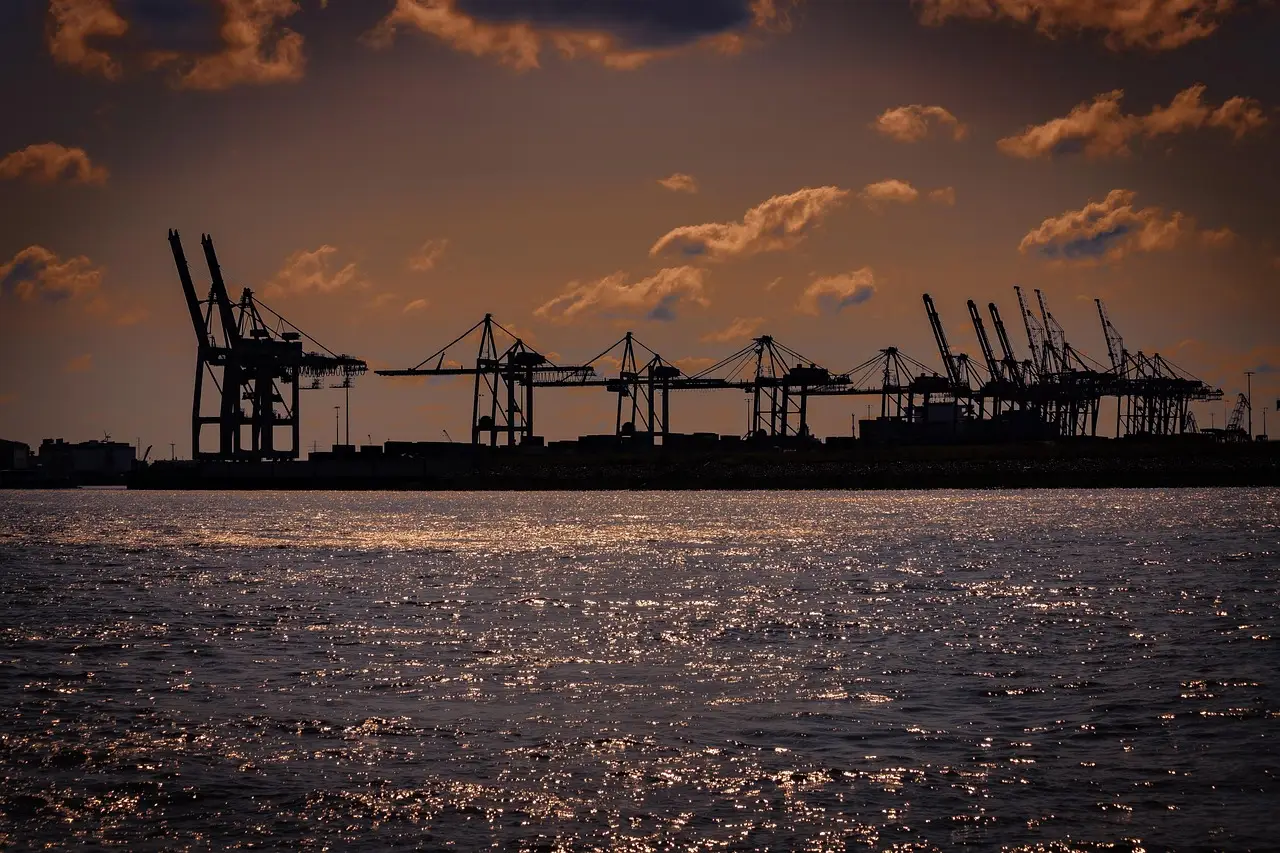
Mormugao, one of India's dozen major ports administered by the central government, is now the first of them to hold that authorisation. The port handles coal, coke and container traffic on India's western coast, which makes it exactly the sort of industrial site — metal, cranes, trucks, dust — where private 5G is supposed to earn its keep.
Why does a port want its own network?
The honest answer is that public networks were never built for freight terminals. A private 5G network lets a port keep mission-critical traffic — crane telemetry, remote-controlled equipment, surveillance, vehicle tracking — on infrastructure it controls, indoors and outdoors, without competing with consumer traffic for capacity.
Whether Mormugao's deployment actually delivers measurable gains remains to be seen. The authorisation is a licence, not a result. It grants the right to operate; it doesn't ship a single byte. Indian industry watchers have heard vendors promise private-5G transformations in factories, mines and ports for several years, and the deployments that reach production use remain countable on fingers.
That is the commercial-versus-marketing line worth holding here. Vendors pitch private 5G as the future of Indian industry. Regulators have made it legally straightforward. Ports, plants and mines have mostly declined to buy. Mormugao breaking the ice among major ports is a data point, not a trend — one authorisation, zero published throughput figures, no named vendor, no disclosed contract value in the source report.
What changes for the rest of the sector?
India's other major ports now have a precedent sitting in plain view. If Mormugao reports operational gains — faster vessel turnaround, fewer cable failures, automation that actually automates — expect the other eleven to follow. If the licence sits in a drawer, expect the status quo, which has been remarkably durable.
There's also an operator angle. Private networks in India generally run on spectrum leased from licensed telcos, which turns every enterprise deployment into a wholesale revenue line for operators otherwise squeezed on consumer tariffs. Jio, Airtel and Vodafone Idea have all signaled appetite for such enterprise deals. A first-mover port gives them a reference customer in a logistics sector that is both capital-heavy and reliability-obsessed.
The counterweight is cost. Ports already run on fibre, Wi-Fi and industrial radios that mostly work. Replacing them with 5G requires a business case, and nobody at Mormugao has published one yet.
For now, the story is simple: the licence exists, the port is Goa's, and it's first among India's majors. The industry's long-predicted private-5G wave in Indian ports starts, if it starts, with this one signature.
Also reported
Source: Google News: 5G network
More from Amara Osei
Show full bio
News editor covering technology and product news in Carrier business, 5G and 6G, fiber and broadband at Telecom Gazette.
360 articles