5G & 6GPrivate 5gCaptive NetworksIndia TelecomSpectrum Policy
Mormugao Port Lands India's First Private 5G Network Authorisation
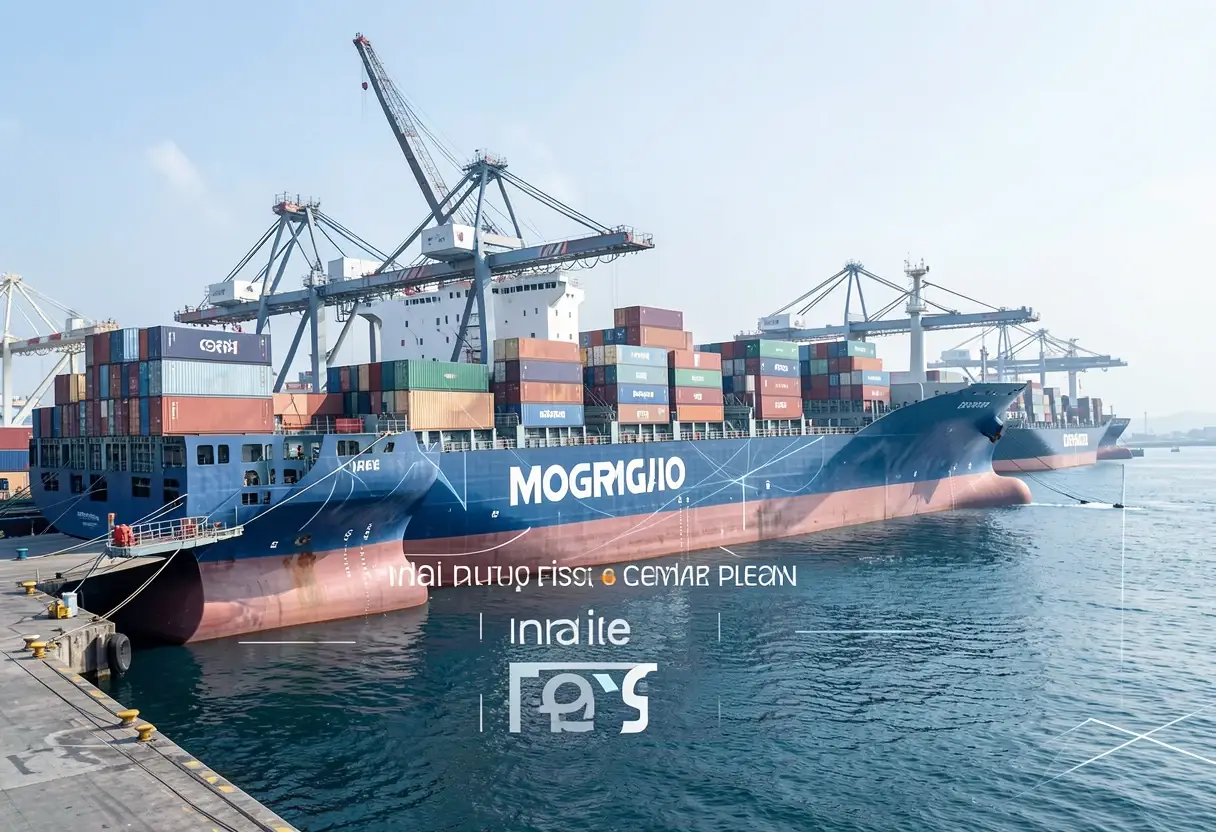
Mormugao Port has secured India's first private 5G network authorisation, becoming the country's first enterprise licensed to run a captive non-public 5G system.
 5G & 6G
Why it matters
- Mormugao Port holds India's first private 5G network authorisation
- The Goa port is the first Indian enterprise licensed to run a captive non-public 5G network
- The licence follows earlier amendments to India's telecom framework allowing direct enterprise spectrum access
- Mormugao is a major bulk cargo port on India's western coast in Goa
The story
Mormugao Port has secured India's first authorisation for a private 5G network, according to Indian Infrastructure Magazine, making the Goa-based port authority the country's opening test case for captive non-public networks outside the traditional telco perimeter.
The licence matters less as a single commercial deal than as a precedent. Until now, every 5G deployment in India has run through the large licensed operators. This authorisation opens a second track, one where an enterprise — in this case a major port — holds the rights to operate 5G spectrum and infrastructure for its own industrial use.
Ports sit near the front of that queue for a reason. Terminal operations depend on cranes, haulage vehicles, tugboats and cargo tracking systems spread across a compact but demanding site. Private 5G, with its low latency and ability to carry dense machine-to-machine traffic, fits that pattern of work more naturally than it suits an office campus.
What does the authorisation actually permit?
India's telecom rules define non-public networks as closed 5G systems that enterprises can build on their own premises, isolated from public subscribers. An authorisation like the one Mormugao Port now holds allows the port to deploy that closed network for its operations rather than buying connectivity as a service from a national carrier.
The regulatory shift that made this possible came earlier, when India amended its telecom framework to allow enterprises to obtain spectrum directly for captive non-public networks. Mormugao Port's licence is the first concrete instance of that policy producing an actual deployment authorisation.
Why a port went first
Mormugao, on India's western coast in Goa, is one of the country's significant ports, handling iron ore exports and other bulk cargo. Its operations involve the kind of heavy mobile equipment and distributed machinery that private 5G backers have long pointed to as the technology's natural home.
The port now moves into build-out. The scope of the deployment — which vendors will supply the radio gear and core, how much area the network will cover, and what throughput targets it must meet — has not been detailed in the initial reporting.
The enterprise 5G question in India
The authorisation also lands in the middle of a standing argument over who should own private networks. India's established operators have resisted frameworks that let enterprises take spectrum directly, arguing that demand for captive 5G can be served through slice-based offerings on public networks. Equipment vendors and large industrial users have pushed the other way, saying direct spectrum access gives enterprises control over reliability, security and network configuration.
Mormugao Port's licence gives the second camp its first live example on Indian soil. How the port uses it — and whether other ports, factories and logistics operators follow — will shape that debate more than any policy paper.
The move signals that India's private 5G market has moved from rulebook to reality. Whether it scales beyond this first port will depend on how the deployment performs and how smoothly regulators process the next round of applications.
Also reported
Source: Google News: 5G network
More from Elena Vasquez
Show full bio
Market editor covering companies, deals and strategy in Carrier business, 5G and 6G, fiber and broadband at Telecom Gazette.
337 articles